



Understanding Thai Massage
Rooted in traditional Thai healing practices, Thai massage is an ancient therapy where practitioners use their hands, feet, elbows, and knees to apply rhythmic pressure to targeted points across the body. Often compared to assisted yoga, this technique involves guiding the recipient through dynamic stretches and physical manipulations. Sessions are usually conducted on a comfortable floor mat, and clients remain fully dressed throughout.
Because it addresses physical, emotional, and spiritual well-being, Thai massage is widely regarded as a holistic wellness practice.
Key Health Benefits
While individual experiences vary and robust scientific research remains limited, many people turn to Thai massage for its potential wellness benefits:
-
Enhanced Mobility: Deep stretching and joint movement help expand your range of motion and overall flexibility.
-
Relief from Tightness: Targeted pressure and elongation help ease persistent muscle aches and stiffness.
-
Improved Blood Flow: Rhythmic compression encourages better blood circulation and aids lymphatic drainage.
-
Restored Internal Balance: Grounded in traditional concepts of bodily energy pathways, the therapy aims to harmonize and align the body’s natural energy.
-
Stress Reduction: The meditative nature of the massage fosters deep relaxation, helping to calm the mind and relieve stress.
Note: As with any physical treatment, it is best to consult a medical professional before beginning massage therapy, particularly if you have underlying health conditions.
What to Expect During a Session
A traditional full-body session typically spans around two hours. Here is how a standard treatment unfolds:
-
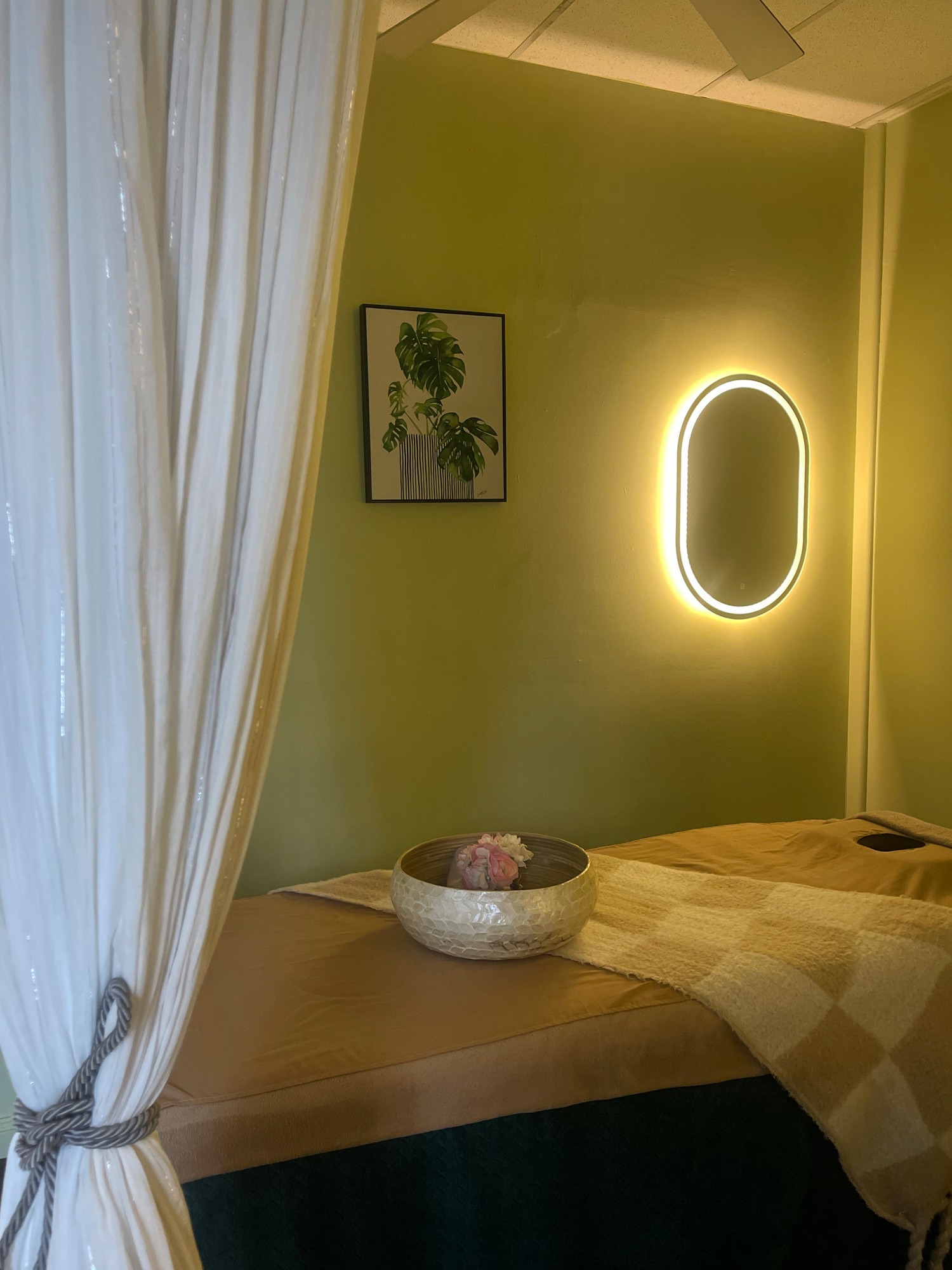
Setting: The session takes place on a padded floor mat rather than a standard massage table.
-
Attire: You wear loose-fitting, flexible clothing that allows for easy movement and stretching.
-
Technique: Starting at the feet and working upward, the practitioner applies pressure using their palms, fists, forearms, knees, and feet, combined with kneading, rolling, and compression movements.
-
Communication: Practitioners tailor the session to your needs, so sharing sensitive areas or existing injuries beforehand ensures a safe and comfortable experience.